Category: Real Estate

Luxury Real Estate

  • AI in the Luxury Industry of 2025 Is Set To Elevate Exclusivity

    AI in the Luxury Industry of 2025 Is Set To Elevate Exclusivity

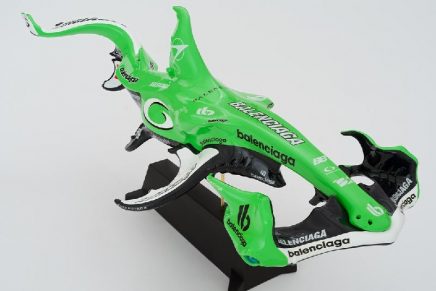
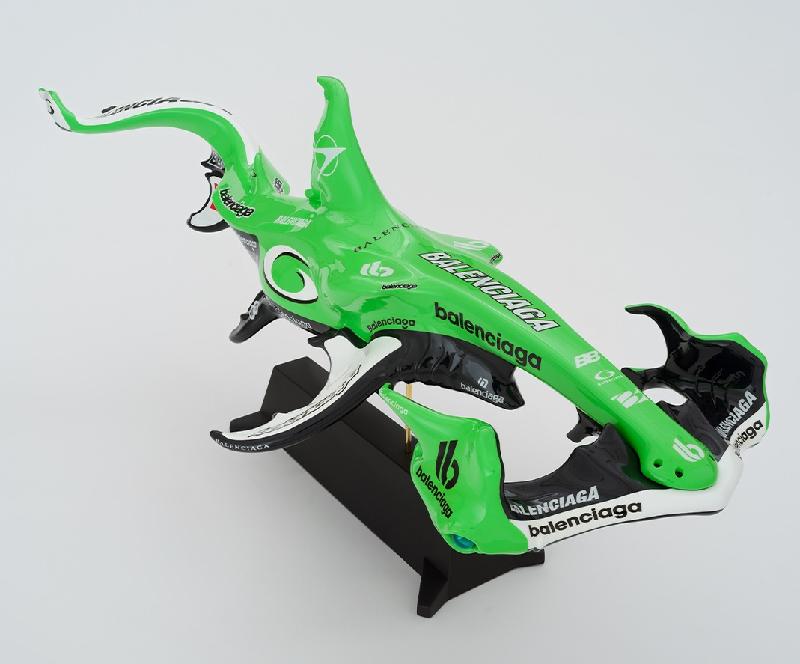
    @Balenciaga

    Artificial Intelligence (AI) is not just enhancing the luxury industry—it’s transforming it. From hyper-personalized shopping experiences to sustainable practices, AI is carving out a more intuitive, efficient, and exclusive world for luxury consumers. Here’s a look at the most innovative uses of AI in the luxury industry for 2025, infused with creative flair and a critical lens.

    1. Hyper-Personalized Luxury: AI as the Ultimate Stylist

    AI is redefining personalization in the luxury world, going beyond just recommendations to crafting bespoke experiences.

    AI-powered personal shopping assistants analyze individual preferences, online behaviors, and even mood indicators (via wearable tech or smart home devices) to curate one-of-a-kind wardrobes or décor. Gucci’s AI Concierge learns your style preferences and mood patterns, delivering a virtual showroom that changes dynamically—florals for summer afternoons or edgy pieces for late-night soirées. While hyper-personalization elevates exclusivity, it risks feeling intrusive. Do clients really want AI to predict their moods, or will it cross a line into overreach?

    2. Virtual Luxury Stores: Shopping in the Metaverse

    Luxury brands are stepping into the metaverse, creating immersive virtual boutiques where AI avatars guide shopping experiences.

    AI-driven virtual shopping assistants in the metaverse interact in real-time, offering style advice, showcasing products in 3D, and even organizing virtual fashion shows. Balenciaga’s Virtual Flagship Store offers AI-guided tours of collections in an interactive, photorealistic environment, complete with custom avatars tailored to your physical likeness. While exciting, metaverse shopping might alienate traditional luxury consumers who value tactile experiences. The challenge lies in balancing innovation with the need for physical touchpoints.

    3. AI-Powered Sustainability: Smarter Luxury Production

    AI is helping luxury brands embrace sustainability by optimizing supply chains, reducing waste, and predicting consumer trends with precision.

    AI-driven tools analyze data to minimize overproduction, recommend eco-friendly materials, and even track carbon footprints in real-time. Stella McCartney uses AI to create zero-waste patterns and recommend sustainable alternatives to animal-derived materials, aligning with the brand’s ethical ethos. While AI can streamline sustainability efforts, it doesn’t address the fundamental issue: luxury’s association with excess. Can AI truly reconcile opulence with environmental responsibility?

    4. AI-Enhanced Jewelry Design Uses Algorithms To Meet Artistry

    AI is venturing into the creative realm, assisting in designing intricate luxury pieces.

    AI algorithms generate unique jewelry designs based on consumer preferences, historical inspirations, and current trends. Cartier’s Generative Design Platform allows clients to input inspirations—like a favorite landscape or personal memory—into an AI tool that crafts a bespoke jewelry piece. While AI accelerates creativity, there’s a risk of losing the “human touch” that defines artisanal craftsmanship. Will a machine-crafted design ever rival the soul of a hand-sketched piece?

    5. Predictive Analytics for Exclusivity

    AI’s predictive powers are being used to forecast trends and cater to ultra-exclusive demands.

    Innovation: AI tools analyze vast datasets to identify emerging trends and pinpoint the next “it” product before it happens, ensuring brands stay ahead of the curve. Louis Vuitton uses predictive AI to anticipate which designs will be most coveted, ensuring limited-edition releases hit exactly the right note with collectors. Over-reliance on data could lead to homogeneity, where brands chase similar trends. True luxury thrives on individuality, which data alone can’t always provide.

    6. AI in Wellness: Bespoke Well-Being for Luxury Clients

    Luxury wellness is becoming smarter, with AI delivering hyper-tailored experiences.

    AI-driven wellness programs analyze health metrics (from wearables) to craft personalized fitness routines, diet plans, and even mindfulness schedules. The Aman Wellness App uses AI to sync with luxury retreats, offering guests a pre-arrival health analysis and designing a bespoke itinerary of spa treatments, yoga, and nutrition. While impressive, AI wellness runs the risk of being overly clinical. Luxury clients may seek a more human touch when it comes to well-being.

    7. AI-Generated Content: The New Digital Aesthetic

    AI is helping luxury brands create stunning visual and written content faster and more effectively.

    Innovation: AI tools like DALL·E and ChatGPT generate visually arresting campaigns, social media posts, and product descriptions tailored to specific audiences. Chanel’s AI-Powered Social Media Campaigns craft personalized Instagram ads for high-value clients, showcasing collections styled in ways that reflect the user’s taste. While AI content is efficient, it risks losing the storytelling depth that defines luxury branding. Can a machine-generated campaign evoke the same emotional connection?

    8. AI-Driven Virtual Fitting Rooms

    Online shopping for luxury items gets a high-tech upgrade with AI-powered virtual fitting rooms.

    Innovation: AI scans a customer’s body (via smartphone cameras) to create an accurate digital twin, enabling precise virtual try-ons. Dior’s Virtual Couture Studio offers clients a realistic preview of how garments will look and fit before purchase.
    While convenient, virtual fittings may not replicate the tactile and emotional experience of trying luxury pieces in-store. The key is to integrate these tools without replacing in-person fittings.

    9. Smart Hotel Stays: AI in Luxury Hospitality

    Luxury hotels are integrating AI to anticipate guest needs and elevate the stay experience.

    Innovation: AI tools predict guest preferences based on prior stays, from room temperature settings to personalized minibars.Mandarin Oriental’s AI Butler uses machine learning to anticipate guest requests, such as preferred pillow types or dining preferences, ensuring seamless service.
    Overuse of AI risks dehumanizing hospitality. UHNWIs often value the personal connection that a highly trained staff can provide.

    10. AI in Auction Houses: Predicting and Valuing Luxury

    AI is transforming the art and collectibles market by analyzing provenance, condition, and market trends to predict value.

    AI tools assist in appraising rare items, flagging forgeries, and predicting which pieces will gain value over time. Christie’s AI Platform evaluates luxury watches, art, and jewelry, helping clients make informed investment decisions. While AI can enhance accuracy, the art market thrives on intangibles like provenance stories and emotional resonance, which data cannot quantify.

    The luxury industry’s embrace of AI promises unparalleled innovation, from bespoke experiences to sustainability and predictive analytics. Yet, as brands lean into the efficiency and personalization AI offers, they must tread carefully to maintain the essence of luxury: human artistry, emotion, and exclusivity.

    Can AI enhance without overshadowing the personal touch, craftsmanship, and storytelling that define true luxury? For 2025, the answer lies in balance—a symphony of machine precision and human elegance.
    @Four Seasons Hotel New York City
  • The New Face of Prestige in Monaco

    The New Face of Prestige in Monaco

    @ulyssia.com/

    Monaco continues to define luxury through its blend of heritage and modernity, unveiling projects that balance opulence with sustainability. Key highlights include the eco-luxury Mareterra district, the ultra-luxurious Ulyssia yacht, and strategic partnerships like Lanvin’s collaboration with AS Monaco Basketball. Events such as the Monaco Yacht Show and LUXE PACK Monaco showcased innovations in luxury, from sustainable practices to personalized experiences. While these developments underscore Monaco’s appeal, they also raise questions about accessibility, exclusivity, and environmental impact.

    Monaco, the epitome of luxury and opulence, continues to evolve, blending its rich heritage with modern innovations. Recent developments in the Principality’s luxury sector showcase a dynamic interplay between tradition and contemporary trends.

    1. Mareterra: Monaco’s New Eco-Luxury District

    The Mareterra Monaco district introduces some of the world’s most expensive real estate. Designed by renowned architects like Renzo Piano and Norman Foster, this six-hectare eco-district features high-end condominiums and villas, with prices reaching up to €120,000 per square meter. Nearly half of the area is designated as public space, including a promenade and green zones. Emphasizing sustainability, Mareterra incorporates solar panels, heat pumps, and rainwater capture systems. While Mareterra exemplifies sustainable luxury, its exorbitant prices may exacerbate Monaco’s housing affordability issues, potentially widening the gap between affluent residents and the broader community.

    2. Ulyssia: The Pinnacle of Luxury Ocean Living

    Swiss billionaire Frank Binder has unveiled plans for Ulyssia, poised to be the world’s largest private residential yacht. With an estimated cost between €1.2 billion to €2 billion, Ulyssia will house helicopters, submarines, restaurants, swimming pools, spas, sports courts, and a medical center. Residences range from €10 million to €100 million, with the yacht scheduled for completion in 2029 and set to launch from Monaco. While Ulyssia represents the zenith of luxury living, its environmental impact raises concerns. The project’s sustainability measures must be scrutinized to ensure they align with global environmental standards.

    3. Lanvin’s Partnership with AS Monaco Basketball

    Lanvin has deepened its connection to Monaco through a partnership with AS Monaco Basketball. This collaboration reflects Lanvin’s commitment to excellence and aligns with the team’s exemplary athleticism and team spirit. While this partnership bridges fashion and sports, its impact on brand perception remains to be seen. The challenge lies in authentically integrating luxury fashion into the sports arena without diluting brand exclusivity.

    4. Monte-Carlo Casino’s Historic Expansion

    Monaco’s Société des Bains de Mer (SBM) has marked a historic milestone by opening its first Monte-Carlo Casino outside of Monaco. The inaugural casino was unveiled aboard the luxury cruise ship Crystal Symphony during a ceremony in Venice. While this expansion showcases Monaco’s brand strength, it may dilute the exclusivity associated with the Monte-Carlo Casino. Maintaining the casino’s prestigious image in new locations will be crucial.

    5. Sustainable Luxury: Monaco Art and Luxury Fair/ LUXE PACK Monaco / Monaco Yacht Show

    Held from September 26 to 28, 2024, at the Hôtel Métropole Monte-Carlo, this inaugural event celebrated exceptional craftsmanship in art, fashion, and lifestyle.

    Monaco Art and Luxury Fair’s visitors engaged with artists through live demonstrations and exclusive tastings in an elegant setting. The inclusion of the Dutch Design section at the Monaco Art and Luxury Fair aimed to strengthen cultural ties between the Netherlands and Monaco, showcasing a blend of artistic influences.

    LUXE PACK Monaco: From September 30 to October 2, 2024, the Grimaldi Forum became the epicenter of luxury packaging innovation. The event showcased cutting-edge packaging solutions, materials, and designs tailored for the luxury sector.
    LUXE PACK MONACO

    Monaco Yacht Show: Taking place from September 25 to 28, 2024, at Port Hercules, this premier event featured over 125 superyachts and attracted more than 580 exhibitors, including brokerage firms, yacht builders, and luxury brands. The show highlighted the latest in luxury yachting and maritime innovations.

    A significant focus was placed on eco-friendly practices and materials. At LUXE PACK Monaco, exhibitors showcased sustainable packaging solutions, emphasizing recyclability and reduced environmental impact. The Monaco Art and Luxury Fair celebrated exceptional artisanal crafts in art, fashion, and lifestyle. Visitors engaged with artists through live demonstrations, underscoring the value of handcrafted luxury items.

    Innovations in technology were prominent, with LUXE PACK Monaco featuring smart packaging solutions that enhance user experience and product interaction. Tailored experiences and customizable products were emphasized, catering to consumers’ desire for unique and individualized luxury items. This trend was evident across various exhibitors at the fairs.


  • Milan’s Via Montenapoleone Is The New Reign in Luxury Retail

    Milan’s Via Montenapoleone Is The New Reign in Luxury Retail

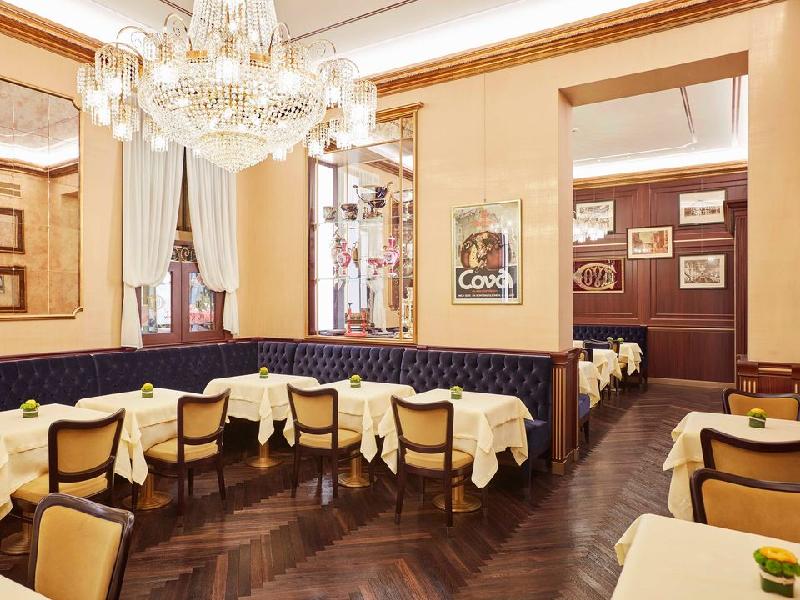
    @Pasticceria Cova Via Montenapoleone Milan

    For the first time in over three decades, Milan’s Via Montenapoleone has claimed the title of the world’s most expensive shopping street, dethroning New York’s Upper Fifth Avenue. This historic shift reflects more than just rising rents—it signifies a transformation in the global luxury landscape.

    Nestled in the heart of Milan’s Quadrilatero della Moda (Fashion District), Via Montenapoleone is a showcase of elegance, where cobblestone streets meet avant-garde storefronts. The air is rich with the allure of iconic fashion houses like Gucci, Prada, and Versace, but what makes this street stand apart isn’t just its exclusivity—it’s the cultural experience it offers.

    Milan’s ascent is emblematic of Italy’s enduring appeal as a hub of craftsmanship and timeless style. Via Montenapoleone’s boutiques are a microcosm of luxury—spaces that blur the lines between retail, art, and culture. Some boutiques host art exhibitions or immersive installations, making shopping an experience that transcends the transactional.

    Unlike the bustling chaos of New York’s Fifth Avenue or the sprawling luxury of Paris’s Champs-Élysées, Via Montenapoleone offers intimacy. It’s where heritage meets modernity, and shoppers are not just customers but connoisseurs invited to savor each moment.

    What truly elevates Via Montenapoleone is its dedication to creating an environment where time seems to stand still. Visitors can pause at elegant cafes like Cova, a historic patisserie serving impeccable espressos, or discover exclusive pop-ups from emerging designers blending traditional Italian tailoring with contemporary aesthetics.

    For those seeking privacy, many luxury brands here offer discreet personal shopping salons—a nod to the exclusivity that today’s elite clientele crave.

    This ranking also speaks volumes about the shifting dynamics of luxury retail. While cities like New York, Paris, and London remain cultural powerhouses, Milan’s resurgence highlights the importance of authenticity and local flair. It suggests that in an era where consumers crave more personalized and meaningful experiences, the allure of global luxury streets lies as much in their story as in their storefronts.

    Via Montenapoleone’s charm lies in its ability to evolve while staying rooted in its legacy. Each step down this illustrious street is a journey through time, guided by the whispers of bespoke Italian craftsmanship and the hum of modern innovation. In an increasingly digital world, it reminds us why physical spaces still hold such profound emotional value in the luxury industry.

    @Giorgio Armani Poldo Collection 2024
  • Human Design and Money: How Each Type Navigates Wealth—and What’s Changing After the 2027 Cosmic Remix

    Human Design and Money: How Each Type Navigates Wealth—and What’s Changing After the 2027 Cosmic Remix

    @Chaumet

    In the world of Human Design, there’s an entire galaxy of insights about how each of us interacts with the energies of the universe—and that includes money. Whether you’re a Manifestor, Manifesting Generator, Projector, or Reflector, your Human Design type affects your approach to wealth in fascinating ways. And with a major astrological shift coming up in 2027, the landscape of abundance and scarcity may be about to change drastically. The transition from the “Cross of Planning” to the “Cross of the Sleeping Phoenix” promises a whole new era where our relationship with money will evolve, including the rise of the “Rave” type, destined to bring its own unique take on value and prosperity.

    Here’s how each type can enhance their financial life under the current paradigm—and how the new cosmic remix might influence everyone’s relationship with wealth.

    • Manifestor type in Human Design: The Independent Wealth Creator

    Strengths: Manifestors are initiators and pioneers; they’re fantastic at creating opportunities from scratch. When it comes to wealth, Manifestors often thrive by taking bold steps that others might shy away from. They can be incredibly decisive and, thanks to their strong-willed nature, often create financial success on their terms.

    Weak Spots: However, Manifestors can struggle with sustainability. They’re great at starting things, but maintaining energy in long-haul financial pursuits can be draining. Their independence can also lead to a reluctance to ask for help, which can stall their wealth-building journey if they’re not careful.

    Money Advice: For Manifestors, financial success often lies in delegation. While starting things alone is in your DNA, collaborating with others to maintain and grow wealth can help you sustain long-term abundance. Invest in passive income streams and partnerships, allowing others to keep projects going even when your energy wanes.

    Post-2027 Insight: As we shift into the Cross of the Sleeping Phoenix, Manifestors may find it even easier to break free from traditional structures. With the Phoenix energy’s emphasis on self-reliance and transformation, Manifestors may find themselves moving toward a more self-directed form of wealth creation—think crypto, NFTs, or innovative business models that emphasize autonomy over collaboration. The shift will favor Manifestors who embrace change and new technologies.

    • Manifesting Generator in Human : The Dynamic Wealth Multitasker

    Strengths: Manifesting Generators are the fast-paced wealth-builders of the Human Design world. Known for their ability to juggle multiple projects at once, Manifesting Generators can create a diverse portfolio of income streams. They bring high energy and flexibility to the table, often making money by following their instincts and adapting quickly to new opportunities.

    Weak Spots: The downside for Manifesting Generators is a tendency to overcommit and scatter their energy. While they’re great at multitasking, their wealth-building efforts can sometimes lack focus, which means they might end up with half-finished projects that don’t fully support their financial goals.

    Money Advice: Choose projects that truly align with your purpose. As a Manifesting Generator, it’s key to prioritize investments and ventures that give you joy and fulfillment. Streamline your income sources to focus on those that you feel passionate about, and be willing to let go of ventures that no longer serve you financially or emotionally.

    Post-2027 Insight: The shift toward the Sleeping Phoenix era will reward self-directed, diversified wealth strategies, which align beautifully with Manifesting Generators’ skill sets. The 2027 shift may bring in new tools for monetizing multiple passions, and Manifesting Generators will likely thrive by keeping up with decentralized finance models and exploring new economies that support multidimensional careers.

    • Projector: The Visionary Wealth Strategist

    Strengths: Projectors are the visionary guides of the Human Design spectrum. When it comes to wealth, they excel at identifying strategic opportunities and advising others. Their gift is not in “doing” all the work themselves but rather in guiding others and spotting lucrative niches in the market.

    Weak Spots: Projectors can struggle with burnout if they try to keep up with Generators or Manifestors. Without proper boundaries, Projectors might chase wealth in ways that drain them, leading to a cycle of exhaustion and financial stagnation. They’re better off focusing on advisory roles rather than hands-on creation.

    Money Advice: Build wealth through wisdom, not effort. Embrace roles as advisors, consultants, or investors rather than as active participants. Financially, Projectors thrive when they take time to rest and invest in long-term, passive income streams. Think of wealth-building as a chess game, with each move deliberately chosen to maximize returns over time.

    Post-2027 Insight: The Cross of the Sleeping Phoenix is all about self-sufficiency, and Projectors will need to be careful not to isolate themselves too much. Projectors may thrive in the new economy by offering strategic insights into emerging markets or alternative currencies. They may even find unique opportunities as teachers and guides in helping others navigate the new landscape of wealth.

    @Chaumet
    • Reflector: The Wealth Energy Mirror

    Strengths: Reflectors are deeply in tune with the energy around them and can reflect the financial health of their environments. They’re natural trendspotters, able to sense opportunities that align with the needs of their community. For Reflectors, wealth-building comes naturally when they’re in harmonious environments that support their intuitive skills.

    Weak Spots: Reflectors can be easily swayed by the financial energy of those around them. If they’re in a low-energy or chaotic environment, it can be difficult for them to stay grounded in their wealth goals. They may struggle to maintain stability if they’re surrounded by people who don’t support their growth.

    Money Advice: Create a stable, nurturing environment for wealth to thrive. Reflectors should carefully choose communities and networks that align with their values, as these will directly influence their financial well-being. Reflectors can also benefit from working in industries that allow them to be adaptable and aligned with social and economic shifts.

    Post-2027 Insight: In the Sleeping Phoenix era, Reflectors might feel even more pressure to maintain individuality, as traditional financial structures dissolve in favor of more self-directed economies. With the rise of the “Rave” type in 2027, Reflectors will need to keep their finger on the pulse of new value systems and currencies, perhaps even playing roles as mediators or interpreters for the unique energies of the new economy.

    The New Money Landscape: How 2027 and the Rave Type Will Change Wealth

    In 2027, the Cross of the Sleeping Phoenix will usher in a new chapter, emphasizing individual sovereignty and decentralized energy. This shift moves us away from the communal, collaborative structures we’ve leaned on and toward a period of self-reliance. The “Rave” type, a new kind of being who will emerge after this transition, promises to reshape our perceptions of wealth. Raves are believed to embody a higher collective awareness and may prioritize entirely different values when it comes to wealth—think energetic exchanges and collective resource sharing over personal accumulation.

    This new landscape means that traditional ideas of wealth as accumulation and status may give way to fluid, communal concepts. People may turn to decentralized currencies, alternative value systems, and more holistic understandings of abundance. For each Human Design type, this could be a period of readjustment, learning to adapt to new ways of achieving security, prosperity, and fulfillment. The coming change invites each type to embrace adaptability, rethink abundance, and move toward wealth strategies that support resilience in a fast-evolving world.

    So, as we look toward this cosmic remaster, remember: wealth is becoming less about “what” you own and more about “how” you align with the energies around you. Embrace this era of change, and let your Human Design type be your guide on this exciting, transformative journey toward a new definition of abundance.

    @Chaumet
  • Inside the Centibillionaire Club: A Peek at the Elite Titans Worth $100 Billion+

    Inside the Centibillionaire Club: A Peek at the Elite Titans Worth $100 Billion+

    LVMH x F1 partnership; photo @LVMH

    There’s a rare breed of wealth that’s even more exclusive than billionaires: the centibillionaires, a club whose members have each hit the 12-digit mark with fortunes amassed in tech, retail, and luxury goods. Collectively worth around $2.5 trillion, the 17 titans in this ultra-elite club wield wealth greater than entire industries and global corporations like Amazon and Alphabet. While most people would need thousands of lifetimes to reach such wealth, these individuals have built empires with the vision, timing, and sometimes plain luck to revolutionize industries. Let’s explore what makes these ultra-wealthy tick—and what they have in common.

    What’s Their Secret? Key Trends and Traits of the Centibillionaires

    Tech Roots Dominate

    Eleven of the seventeen members have tech origins. Giants like Microsoft, Google, Amazon, and Tesla show how the digital revolution continues to generate monumental fortunes. Innovators in this club are rarely afraid to take risks; they jump into AI, space, or social media with gusto.

    Stock is King

    Every centibillionaire holds major stock positions in their companies. Whether it’s Ellison’s stake in Oracle or the Walton’s Walmart shares, holding on to stock—and even buying more—has been key to maintaining their sky-high net worths.

    Philanthropy with Limits

    While Gates and Buffett are huge philanthropists, many members of this club have been careful not to give away too much, too soon. Gates has pledged nearly his entire fortune, yet still ranks as one of the wealthiest—a testament to how wealth, when wisely managed, grows even when shared.

    Luxury Stays Lucrative

    Bernard Arnault, with his collection of luxury brands, shows that the wealthy will always spend on status symbols, especially during boom times. His empire’s resilience highlights how timeless industries can be if positioned right.

    Family Matters

    The Walton siblings are one of the only family groups in the club, illustrating that inherited wealth can grow when backed by a strong company. In contrast, tech founders like Musk and Bezos are more self-made, underscoring two contrasting wealth paths: family legacy vs. founder-driven.

    International Influence

    Though most centibillionaires are American, Ortega, Arnault, and Ambani remind us that immense wealth knows no borders. Their success stories blend local market dominance with savvy global strategy, creating truly international brands.

    The Centibillionaire Club’s Future

    As AI, climate tech, and even interplanetary travel enter the mainstream, the ranks of this club may swell in coming years. New tech moguls from countries like India and China may join, while legacy families like the Waltons could see younger members rise to prominence. Regardless, each centibillionaire reminds us that while wealth may look timeless, it’s often a fast-moving force shaped by relentless vision and daring moves.

    Who’s in the Club? The Titans at a Glance

    1. Elon Musk
    Net Worth: $241 billion
    Source of Wealth: Tesla, SpaceX, and X

    A champion of big ideas, Musk rockets between enterprises with the speed of his own SpaceX spacecraft. His wealth is rooted in Tesla’s dominance in electric vehicles, but it’s his relentless push to colonize Mars and explore AI that keeps him firmly planted in the centibillionaire stratosphere.

    2. Jeff Bezos
    Net Worth: $212 billion
    Source of Wealth: Amazon

    The man who brought shopping to our fingertips, Bezos transformed retail forever with Amazon, amassing a fortune along the way. Since stepping down as CEO, he’s been funneling his time (and billions) into space exploration and philanthropy, but Amazon’s stock keeps his fortune sky-high.

    3. Mark Zuckerberg
    Net Worth: $204 billion
    Source of Wealth: Meta

    Starting as a college project, Facebook propelled Zuckerberg to unimaginable wealth. Now, he’s turned his sights on the future of social interaction with the “metaverse,” an ambitious (and risky) bet that has seen his wealth swing wildly over the years.

    4. Larry Ellison
    Net Worth: $184 billion
    Source of Wealth: Oracle, Tesla investments

    Ellison’s Oracle turned software into big business, but his stake in Tesla has been a massive wealth booster. Known for his flashy lifestyle and sprawling Hawaiian estate, he’s a tech icon who made cloud computing mainstream.

    5. Bernard Arnault
    Net Worth: $177 billion
    Source of Wealth: LVMH

    Europe’s richest man built his fortune one luxury brand at a time. From Louis Vuitton to Sephora, Arnault controls an empire of taste, but even the high-end consumer market has its ups and downs—as evidenced by a recent $30 billion dip.

    6. Bill Gates
    Net Worth: $162 billion
    Source of Wealth: Microsoft

    The original tech billionaire, Gates has become almost as famous for his philanthropy as for creating Microsoft. His foundation has given billions to global health causes, but his hefty stake in the tech giant keeps him comfortably in the centibillionaire zone.

    7. Larry Page and 10. Sergey Brin
    Net Worth: $149 billion and $140 billion, respectively
    Source of Wealth: Alphabet

    The Google co-founders turned a college project into a digital empire, and though they’ve stepped away from the day-to-day, the company’s continued growth keeps them among the world’s wealthiest.

    8. Warren Buffett
    Net Worth: $147 billion
    Source of Wealth: Berkshire Hathaway

    The “Oracle of Omaha” is the ultimate example of wealth built steadily over time. A noted philanthropist, Buffett has pledged to give away much of his fortune. Still, his nearly 15% stake in Berkshire Hathaway, a conglomerate of companies from candy to insurance, keeps his fortune growing.

    9. Steve Ballmer
    Net Worth: $146 billion
    Source of Wealth: Microsoft

    Ballmer turned a humble assistant role at Microsoft into a multi-billion-dollar stake. Known for his energetic management style, he’s now the owner of the LA Clippers, giving his wealth a sporty twist.

    11. Jensen Huang
    Net Worth: $125 billion
    Source of Wealth: Nvidia

    Huang has ridden the AI wave like no one else, co-founding Nvidia and seeing it skyrocket as AI became one of the hottest fields in tech. His meteoric rise into the centibillionaire club is a testament to AI’s transformative power.

    12. Michael Dell
    Net Worth: $116 billion
    Source of Wealth: Dell

    Starting his business out of a college dorm, Dell has not only built a computer empire but has also capitalized on AI trends that boosted the company’s stock value dramatically.

    13. Amancio Ortega
    Net Worth: $115 billion
    Source of Wealth: Inditex

    Ortega, the fashion mogul behind Zara, proves that fast fashion can make you fabulously rich. His empire now spans real estate and other investments, ensuring he remains Spain’s wealthiest man.

    14. Mukesh Ambani
    Net Worth: $104 billion
    Source of Wealth: Reliance Industries

    As Asia’s richest person, Ambani transformed Reliance from an oil company into a diverse conglomerate that includes telecommunications and retail. His presence shows that tech isn’t the only way to hit $100 billion.

    15-17. Jim, Rob, and Alice Walton
    Net Worth: Around $101-104 billion each
    Source of Wealth: Walmart

    The Walton trio inherited their wealth from Walmart founder Sam Walton and have continued to see their fortunes rise as the retailer grows globally. They’re proof that family fortunes can sometimes hold steady—or even rise—over generations.

    @LVMH luxury group
  • The Cube Rises as Saudi Arabia Breaks Ground on the World’s Largest Building

    The Cube Rises as Saudi Arabia Breaks Ground on the World’s Largest Building

    The world’s soon-to-be largest building has officially broken ground.

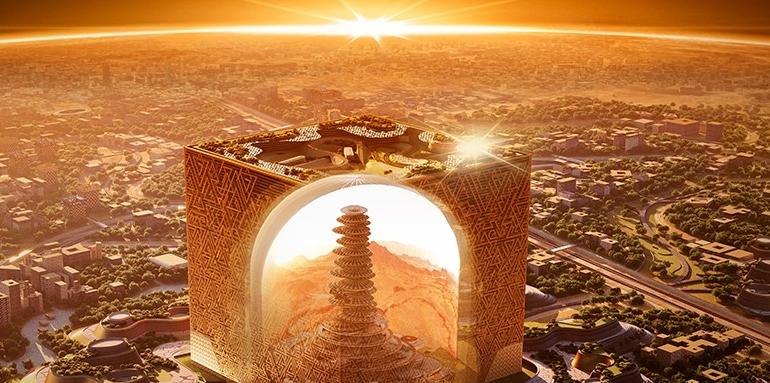
    Riyadh’s Mukaab to Become World’s Largest Building. @newmurabba.com

    Beyond Height: The Mukaab’s Groundbreaking Vision for Modern Cities.

    The landscape of northwest Riyadh is set to change forever with the ground-breaking of the Mukaab skyscraper, soon to be the world’s largest building by sheer volume. Rising to 1,312 feet, this cubic marvel isn’t chasing the title of “world’s tallest.” Instead, the Mukaab aims to captivate on a massive scale, housing an entire community within its staggering dimensions and redefining what a city centerpiece can be.

    The Mukaab, translating to “cube” in Arabic, is an architectural ode to Najdi design, featuring intricate, interlocking triangles on its robust, blocky silhouette. Its distinctively modern yet culturally rooted design is just the start. Step inside, and you’ll find a spacious atrium with a spiraling central tower that reaches skyward, creating an airy core to house more than one million square feet of office space and over two million square feet of retail.

    With a staggering plan for 100,000 private residences, as well as a theater, a university, and a museum, the Mukaab’s versatility will be a showpiece for New Murabba’s 19-square-kilometer development and a new downtown for Riyadh. The scale is ambitious, but it’s also part of Saudi Arabia’s Vision 2030—a bold initiative to diversify the country’s economy and cultural landscape beyond its oil-rich origins.

    Ambitions Beyond Height: Mukaab by the Numbers
    The Mukaab will dethrone Washington’s Boeing Everett Factory, currently the world’s largest by volume, boasting 472 million cubic feet. That title has stood since 1967, but with the completion of this 400-meter cube, Boeing will pass the torch. This shift underscores the global trend of city-centered, mixed-use “mega buildings” that emphasize volume, versatility, and community over height alone.

    Riyadh’s Mukaab to Become World’s Largest Building. @newmurabba.com

    A Bold New Blueprint for Urban Living?

    Some might wonder: does Riyadh’s future truly need a building of this size? Critics argue that Mukaab’s grand vision risks overshadowing the practical needs of the city, as mega-projects can sometimes prioritize symbolism over functionality. Yet, if successful, Mukaab’s groundbreaking design could serve as an example for future urban spaces that promote a “city within a city” model—a move that might reshape not only Riyadh but set a new standard globally.

    By 2030, the Mukaab will stand as a testament to the changing face of Saudi Arabia and the expanding role of mega-structures in shaping city identities. Whether it fulfills its promise as an icon of Riyadh or challenges our very notion of urban space, one thing is certain: the Mukaab will make waves across the world of architecture and beyond.

    Riyadh’s Mukaab to Become World’s Largest Building. @newmurabba.com