So who are the true High Jewelry talents of today?

by Philippe Mihailovich

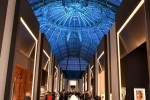
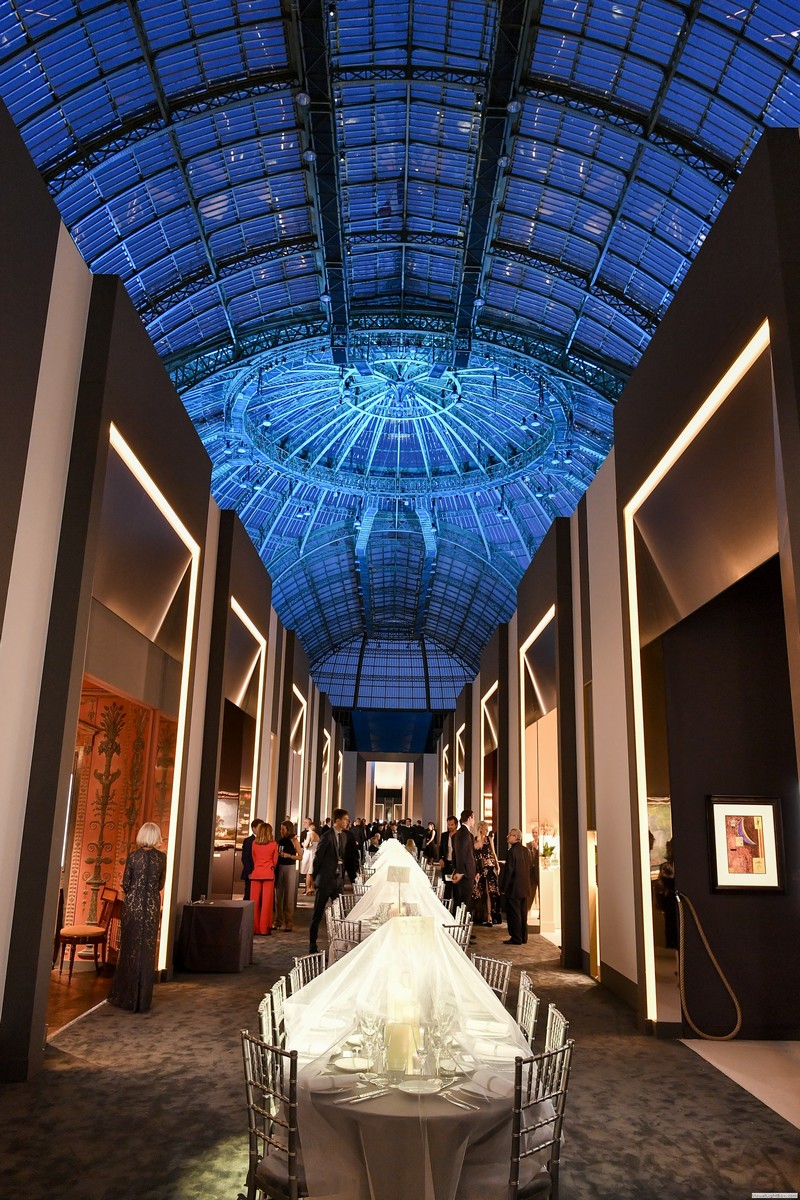
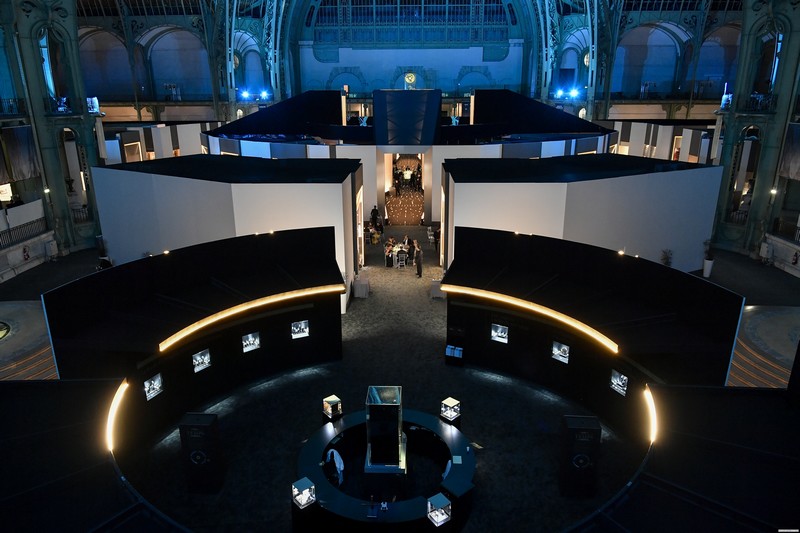
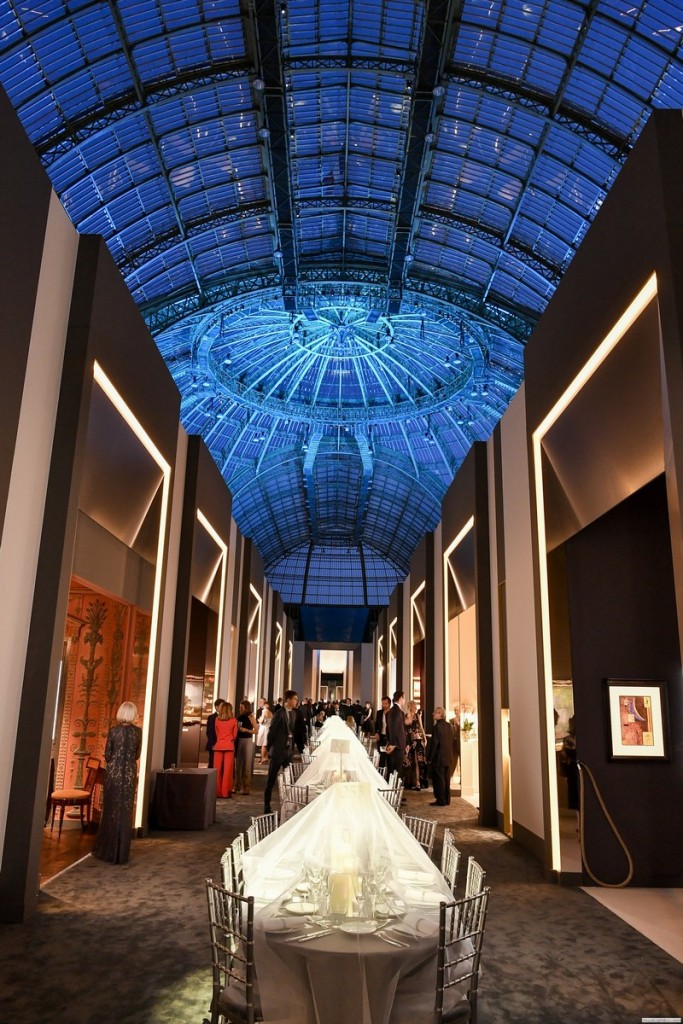
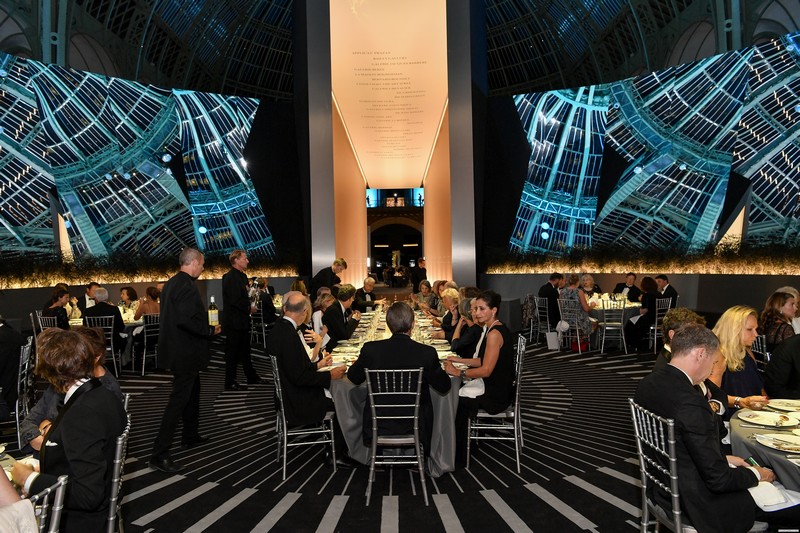
The 28th edition of the Biennale des Antiquaires in Paris known as the grand dame of antique fairs and the world’s major showcase for haute joaillerie opened this year without the big maisons that were exhibiting at the last show in 2014, notably Alexandre Reza; Boucheron; Bulgari; Cartier; Chanel; Chaumet; David Morris; Dior; Giampiero Bodino; Graff; Piaget; Siegelson; Van Cleef & Arpels and Wallace Chan. Only four High Jewellers were there, some for the first time. These were Boghossian Jewels, Cindy Chao, De Grisogono and Nirav Modi from India.
the-28th-edition-of-the-biennale-des-antiquaires-in-paris
Photos Courtesy of Biennale des Antiquaires http://www.biennale-paris.com

Cartier has made the decision not to participate in the next Biennale des Antiquaires due to new technical measures adopted by its organizers,” the company’s statement said, referring specifically to “the request to drastically reduce the maximum surface area of the stand,” reported Rachel Garrahan of The New York Times (1)

Cartier was followed by two other Richemont-owned brands, Van Cleef and Giampiero Bodino, while brands based in the Place Vendôme in Paris, such as Boucheron and Alexandre Reza, also pulled out. Graff Diamonds is the most recent house to announce its departure”, Garrahan added.

Not only has the venue been one of the most exceptional spaces to present high jewelry creations since the 1925 Paris Exhibition, it is understood that to exhibit here is evidence that the creations of these houses will be recognized and respected by auctioneers and antique dealers in the future. As such, the prestige of being invited to exhibit is perhaps the equivalent of a Michelin star award or even greater, within the industry.
the-28th-edition-of-the-biennale-des-antiquaires-in-paris
Photo Courtesy of Biennale des Antiquaires www.biennale-paris.com

For the independent newcomers Cindy Chao and Nirav Modi, it was a dream come true. If one wishes to guess which names will be the Cartiers of the future, the Biennale is a great place to start. In 2012, Haute Jaoillerie Artist-Inventor-Craftsman, Wallace Chan from Hong Kong became the first Asian jeweler to be invited to the show where he gained recognition as a genius and visionary by many in the field. ‘The Great Wall’ he presented there – a necklace of antique Chinese imperial jadeite and diamond-encrusted maple leaves – sold for $60 million. The jewels he makes are delicate and deeply reflect his Zen Buddhist philosophy. They are also technically innovative. Mr Chan has developed many of the techniques he uses for carving precious stones and manipulating titanium and jade, often using tools he has made himself.

The personal prestige that can be gained from this high profile international event is one that is normally earned as a result of exceptional creativity, craftsmanship and innovation. Chan presented advanced techniques that left the traditional Haute Joaillerie houses speechless. The man is driven by passion and creativity. “In 42 years, Chan has never opened a store, China Daily reported (2).. “I don’t work for money, because then I have to listen to others. A store would constrain me,” Chan told them. “I don’t do a brand either. I only do craft.”
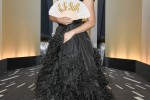
the-28th-edition-of-the-biennale-des-antiquaires-in-paris-2016-cindy_chao
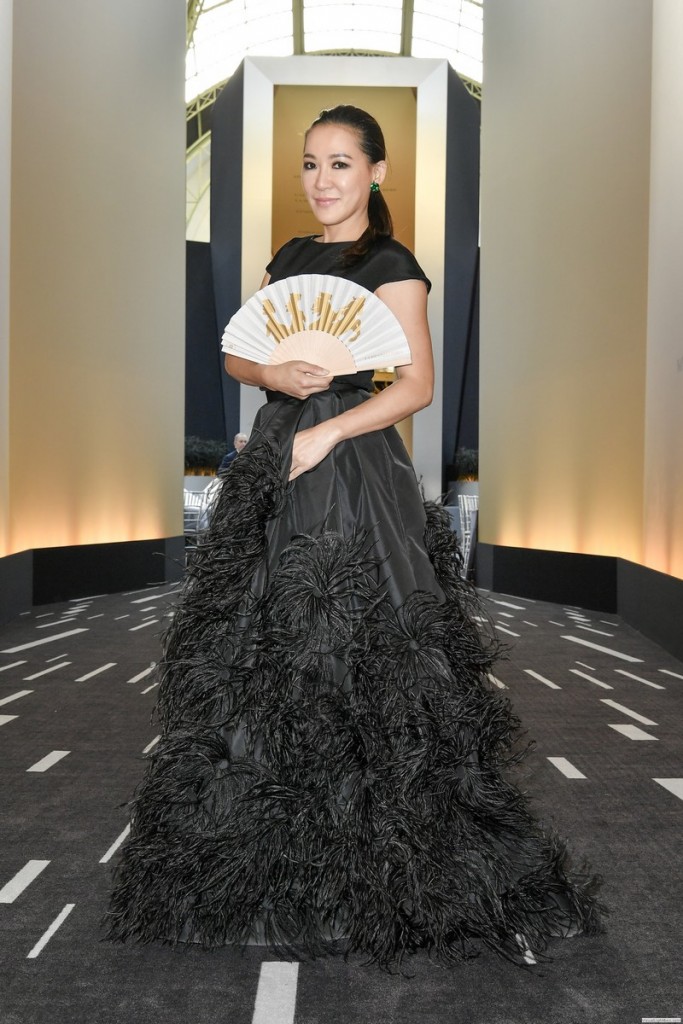
Cindy Chao Photo Courtesy of Biennale des Antiquaires www.biennale-paris.com

How things have changed, or have they? The two high luxury creators that we interviewed, Cindy Chao and Nirav Modi were never trained as artisanal craftspeople. They have never cut stones either. Can they illustrate or sculpt? Chao can, but Modi comes from a background of diamond dealing. To which extent can their work really be compared to the famous Haute Jaoillerie Maisons and visionary creators of our times? Who are the truly great High Jewellery talents of our era anyway and how can we identify them?

Without doubt, the works presented by these two Biennale newcomers were exceptional pieces, glimmering in diamonds, some to the point of being seen as ‘bling’. Who were the real talents behind these creations? Well, just as it can be in the field of contemporary art, the ‘talent’ is considered to be the one who conceptualised the pieces in the first place and has nothing to do with the talented craftspeople who produced the pieces. Both Chao and Modi know where to go to have the pieces made for them to perfection by faceless craftspeople that we will never discover, but if we do, there’s nothing that stops us employing them to create exceptional pieces imaged by us. So what can stop us from being the next big talents at the next Biennale?

Has the world really changed? In fact, if one goes back in time to the creation of the great heritage maisons, one will find that, for instance, neither Alfred Van Cleef nor Esther Arpels had any training in the field of jewellery craftsmanship either. They would commission pieces from talented illustrators and ateliers. In fact, many on the famous Place Vendôme still do, whilst Van Cleef now does everything in-house. Some famous French houses even have creations made for them in Rajasthan, where talented craftsmen are in abundance – just as Modi does.

As such, the real challenge lies in finding or affording the great stones. As Modi’s family is already in the diamond trade, stock is not a problem and it is certainly far more profitable to sell finished creations than to trade in wholesale stones. So how does Chao obtain her stones? Neither of them tend to mention the sources of their stones as the emerging sustainable luxury creators would do. One has to wonder if the Ultra High Net Worth Individuals buying these exceptional creations even care if the stones have been ethically sourced or not.

So all one needs to enter this field, is a contact with bags full of stones that they need to sell. Enter into an alliance with them to set the stones into exceptional creations that may attract an UHNWI, ideally find a way to meet these potential clients directly or try to get into a leading show like the Biennale that attracts such people anyway, and you could be well on your way to be the next Van Cleef.
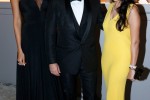
the-28th-edition-of-the-biennale-des-antiquaires-in-paris-2016-lisa_haydon_nirav_modi_aarti_surendranath
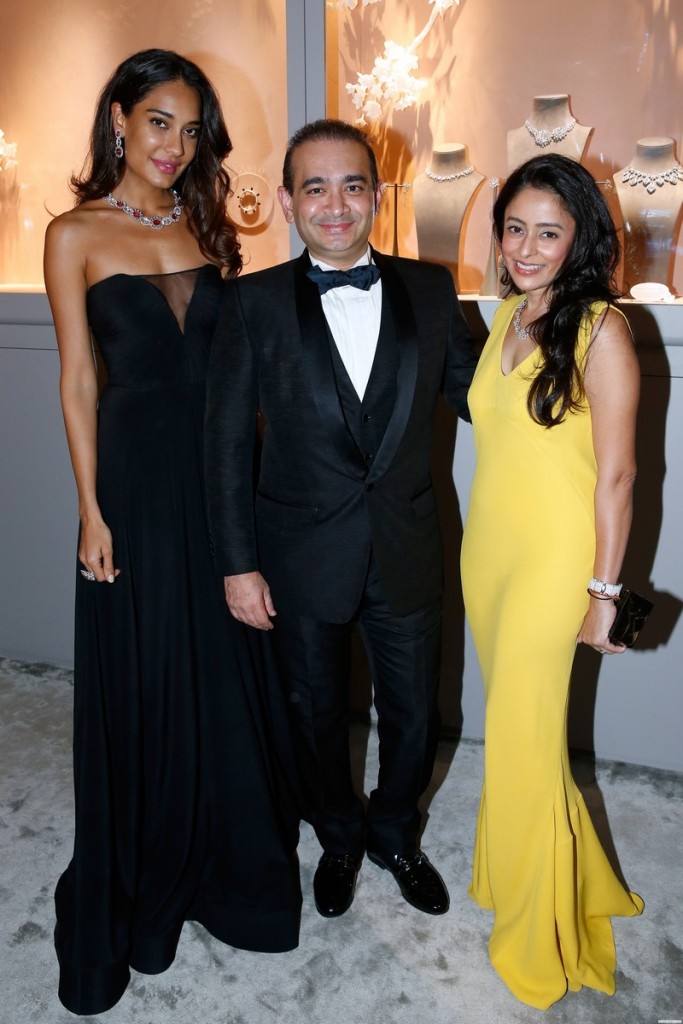
Lisa Haydon, Nirav Modi, Aarti Surendranath Photo Courtesy of Biennale des Antiquaires www.biennale-paris.com

Admittedly, we have long witnessed the same trend towards niche independent creator brands in the field of fashion and perfumery as well as in fact, haute horlogerie. The difference in the field of haute horlogerie is that the star creator is usually an independent watch-maker with ‘hard blood’, with the know-how to create new movements and entire pieces from start to finish. If they are simply designing the pieces and contracting out the work, they will be considered as brands rather than as creators or even geniuses. In France, a maison implies that all the skills and know-how are in the house. The maison houses secrets of technique, such as the Van Cleef and Arpels invisible setting, and the houses that contract out work are considered as brands with less long-lasting value.

As such, can we allow ourselves to insist that the Biennale should really set the standards by showcasing truly talented creators, ateliers and maisons or should we salute them for accepting new challengers from artists through to artistic directors? London’s Elizabetta Cipriani Gallery specialises in encouraging and exhibiting amazing jewellery pieces from the great established contemporary artists such as Ai Weiwei, Erwin Wurm, Kendell Geers, Tom Sachs, Rebecca Horn and many others that one would normally find in the world’s leading art museums. Will the Biennale soon be open to these great talents too?
the-28th-edition-of-the-biennale-des-antiquaires-in-paris-2016
Photo Courtesy of Biennale des Antiquaires www.biennale-paris.com

As long as the great craftspeople of our times choose to remain invisible and discreet should we expect to see more conceptualisers, curators and designers rising to the top, with or without any jewelry savoire-faire, as long as the final creations are exceptional and could attract big prices and publicity? If so, it allows us to conclude that with simply with a touch of encouragement, creativity, and high connections, even YOU can be the next rising star in the field of high jewelry!

We therefore look forward to seeing your first exhibition at the next Biennale.

  1. http://www.nytimes.com/2016/05/12/fashion/jewelry-biennale-des-antiquaires.html?_r=0
  2. http://usa.chinadaily.com.cn/epaper/2016-03/11/content_23825281.htm

Bulgari returns Spanish Steps to their gleaming splendor

Bulgari celebrates inauguration of Spanish Steps monument in Rome.

bulgari-returns-spanish-steps-to-their-gleaming-splendor-2016

To mark the 130th anniversary of the luxury House in 2014, Bulgari donated 1.5 million euros to the city of Rome to finance the restoration of Spanish Steps, one of Rome’s most iconic monuments.

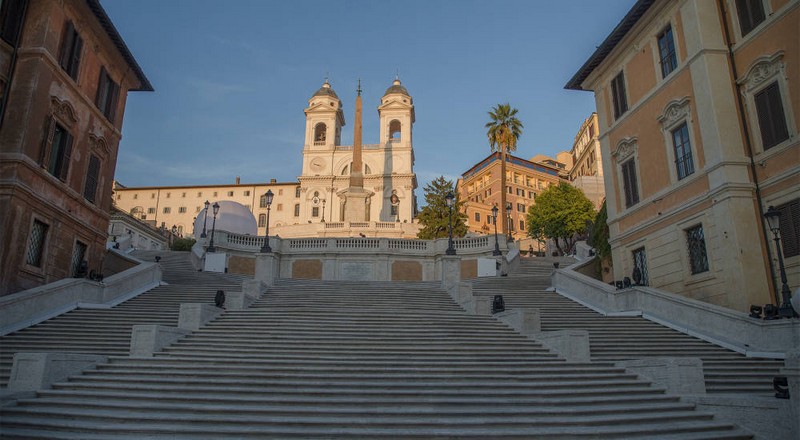
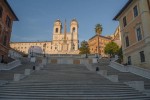
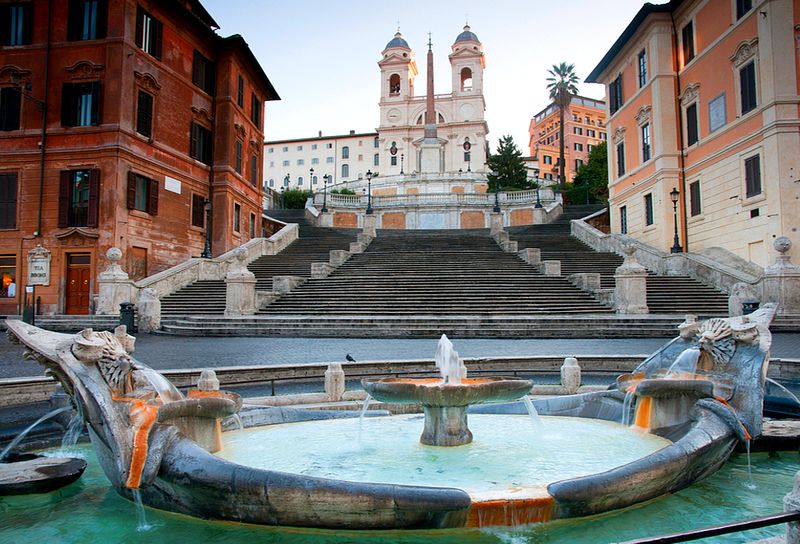
On September 23rd, Romans were once again delighted to walk up the monumental Spanish Steps, a symbol of Rome’s cultural and architectural heritage. Following the restoration project financed by Bulgari that began in October 2015, the 138 steps have been returned to their gleaming splendor.

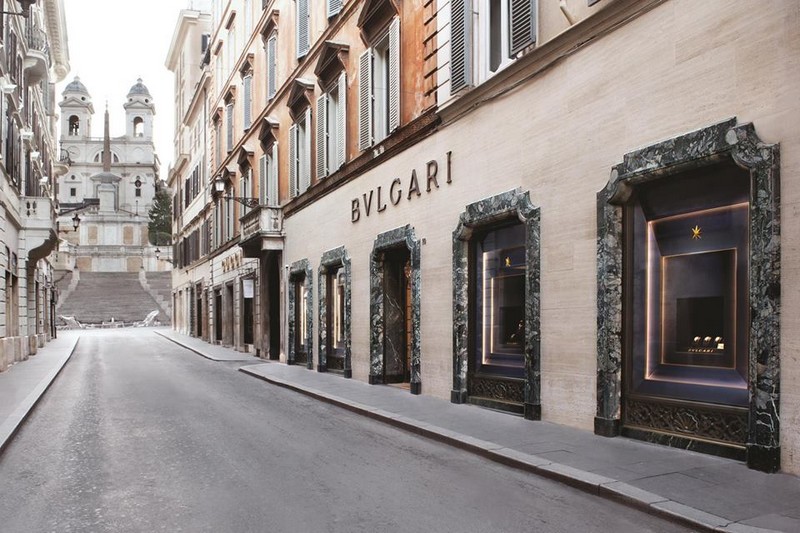
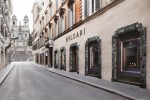
“Today we are delighted to celebrate with the city the return of a monument whose splendor represents the grandeur of Rome,” said CEO Jean-Christophe Babin. The Spanish Steps have special historic resonance for Bulgari as the connection between Via Sistina, where Roman jeweler Sotirio Bulgari opened his first shop in 1884, and Via dei Condotti, now home to its flagship store.

bulgari-returns-spanish-steps-to-their-gleaming-splendor

To celebrate the event, Bulgari organized an inaugural evening Piazza di Spagna, inviting 30 Roman citizens whose names were drawn at random from a list provided by the municipality. Also attending were ten prisoners who volunteered to work on the renovation project without pay as part of a rehabilitation program organized by the city of Rome and supported by Bulgari.

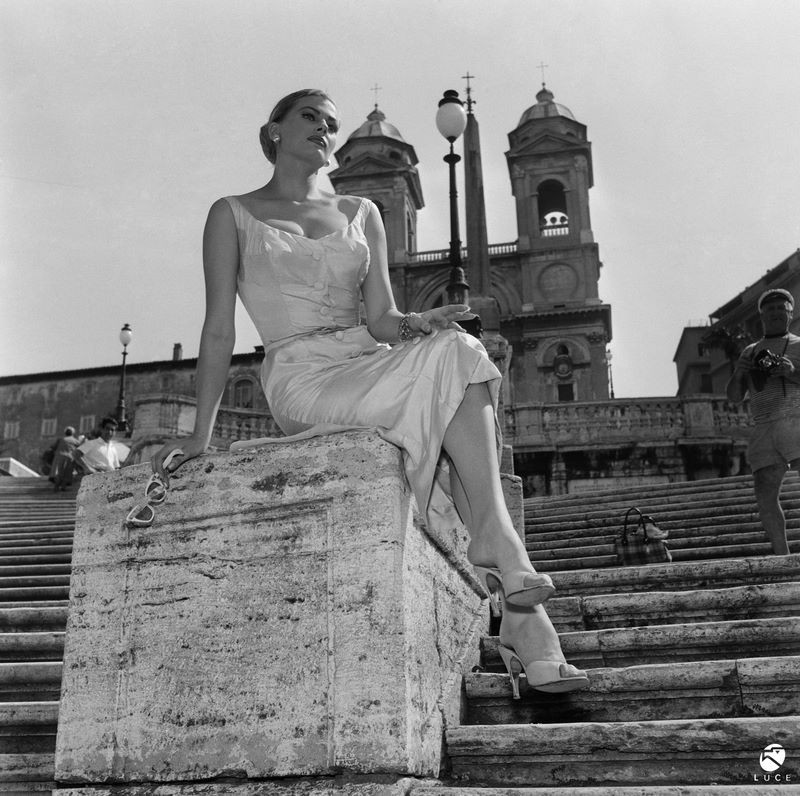
The 1953 film Roman Holiday, starring Audrey Hepburn and Gregory Peck, made the Spanish Steps famous to an American audience. The apartment that was the setting for The Roman Spring of Mrs. Stone (1961) is halfway up on the right. Bernardo Bertolucci’s Besieged (1998) is also set in a house next to the Steps. The Steps were featured prominently in the film version of The Talented Mr. Ripley starring Matt Damon in the title role.

Piazza di Spagna, at the bottom of the Spanish Steps, is one of the most famous squares in Rome (Italy). It owes its name to the Palazzo di Spagna, seat of the Embassy of Spain among the Holy See. Nearby is the famed Column of the Immaculate Conception of the Blessed Virgin Mary.

The imposing 135-step staircase was inaugurated by Pope Benedict XIII during the 1725 Jubilee; it was released (thanks to French loans granted in 1721–1725) in order to connect the Bourbon Spanish embassy (from which the square takes its name) to the Church of Trinità dei Monti.

It was designed by Alessandro Specchi and Francesco De Sanctis after generations of long and glowing discussions about how to urbanize the steep slope on the side of the Pincian Hill in order to connect it to the church. The final key was the one proposed by Francesco De Sanctis: a great staircase decorated with many garden-terraces, splendidly adorned with flowers in spring and summer. The sumptuous, aristocratic staircase, at the summit of a straight sequence of streets leading down to the Tiber, was designed so that the scenic effects increase more and more while approaching to it. In effect, the creation of long, deep perspectives culminating in monumental wings or backdrops was typical of the great baroque architecture. The Spanish Steps were restored in 1995.

bulgari-celebrates-inauguration-of-spanish-steps-monument-in-rome

bulgari-celebrates-inauguration-of-spanish-steps-monument-in-rome
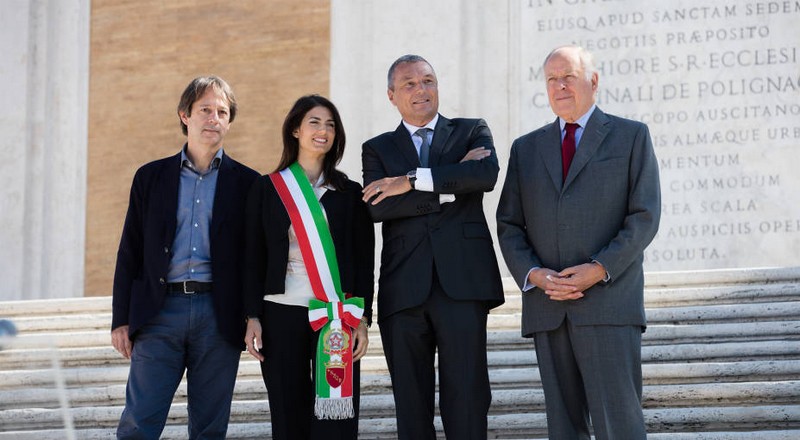
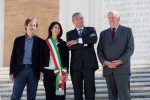
The inauguration was attended by Rome mayor Virginia Raggi and Jean-Christophe Babin, CEO of Bulgari.


Bulgari’s €1.5m restoration of Rome’s Spanish Steps hit by delays

Economic woes and bureaucracy hold up work on city’s attraction, leaving it closed at height of tourist season

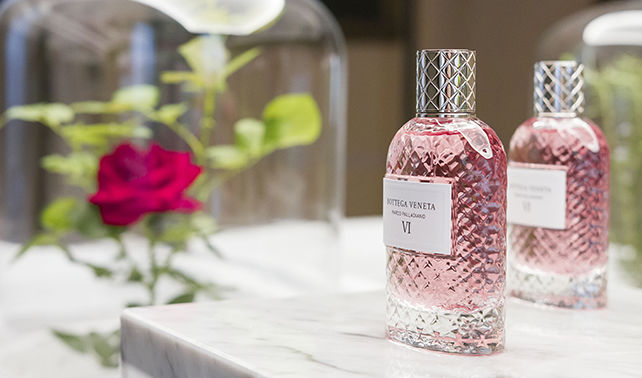
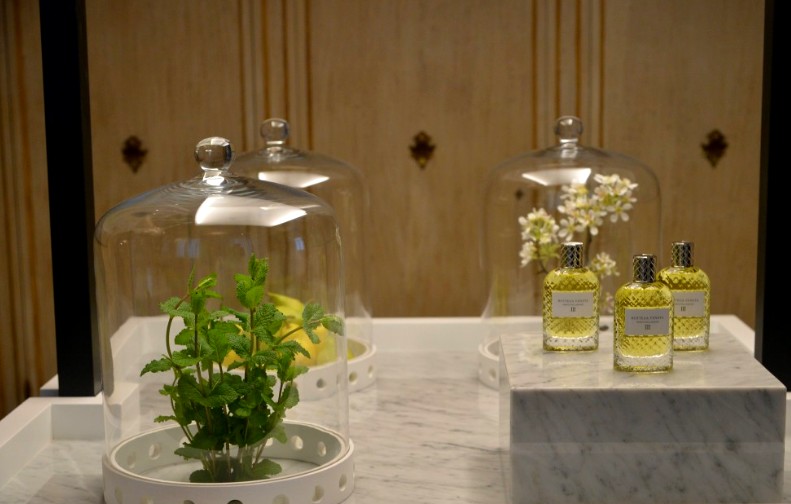
Bottega Veneta Parco Palladiano Collection – the ‘olfactory trompe l’oeil’ sextet

Bottega Veneta Parco Palladiano Collection 2016--
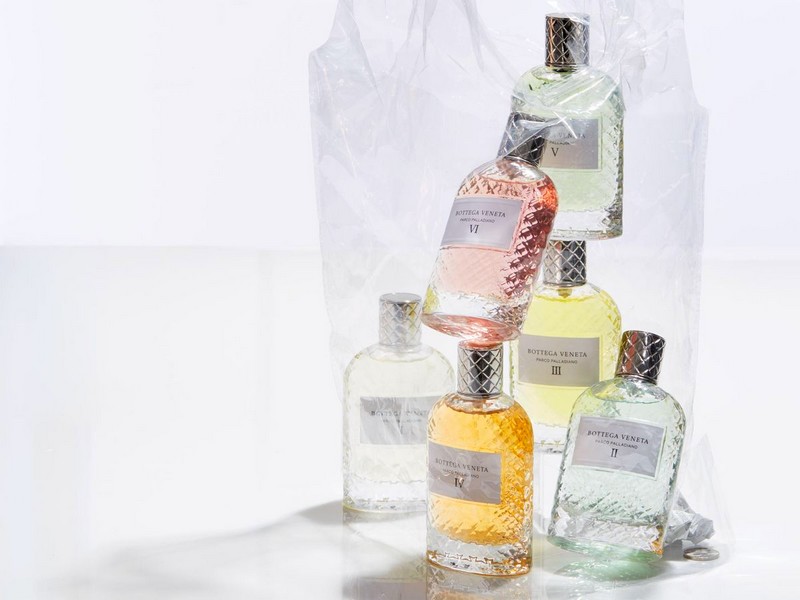
Bottega Veneta is the latest luxury house to embrace the scent “wardrobing” concept. Bottega Veneta perfumers are dropping six perfume bottles at once, following in the footsteps of Bulgari, Ralph Lauren, Prada, Le Vestiaire des Parfums by Yves Saint Laurent, Derek Lam, and Jo Malone.

To create the one-of-a-kind look, customers now mix perfumes and change their fragrances to suit a particular state of mind and occasion.

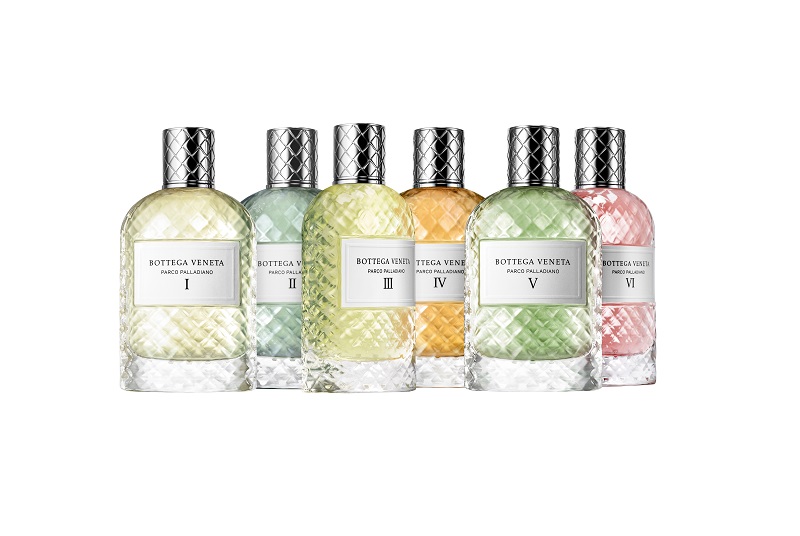
Bottega Veneta Parco Palladiano is a collection of six unisex fragrances inspired by the Palladian gardens of the Veneto region of Italy, where the luxury Italian house was founded in 1966.

Numbered simply with Roman numerals by Creative Director Tomas Maier, each scent bottle ($295 apiece) is an ‘olfactory trompe l’oeil’, capturing different moments and experiences in the enchanting Palladian garden. Venetian cypress
leaves, sun-kissed pear, magnolia, azalea, aromatic herbs, and, the rose are the main ingredients of this collection.

“Palladio is a source of endless inspiration for me in many ways,” explained Tomas Maier, who conceived and oversaw the collection. “My father was an architect who studied the work of Palladio, so his teachings have always been part of my life even before I started as creative director at Bottega Veneta. Palladio was an artisan as well as an architect who sought balance and harmony in everything. The Palladian gardens that inspire this ‘Parco Palladiano’ collection represent a perfection on earth and an agricultural utopia.”

The work for the sextet was extanded on two years. Perfumes Michel Almairac, Daniela Andrier, who have already worked with Bottega Veneta, and Alexis Dadier, are the noses behind the new collection paying tribute to the Veneto region.

Bottega Veneta Parco Palladiano Collection 2016 - six perfumes
I- A fresh fragrance with floral notes of magnolia in a pale yellow hue. Bark serves as counterpoint, adding long-lasting woody accords.

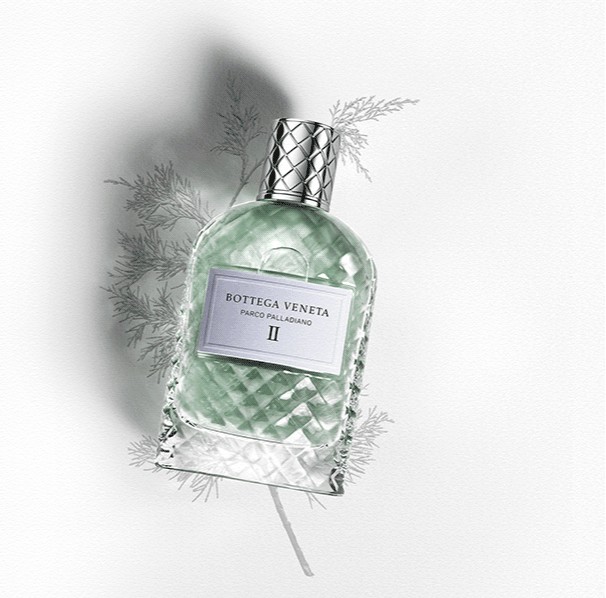
Bottega Veneta Parco Palladiano Collection 2016 - II

II (the most intense)-The dark, energising green hue recalls a shaded spot under a cypress tree. The woody notes are balanced by spicy heart notes of pink pepper.


Bottega Veneta Parco Palladiano Collection launch
III – Fruity notes of pear tree create a succulent, enveloping fragrance, energised by refreshing mint accents. The orange-yellow hue evokes an orchard in early Autumn.

Bottega Veneta Parco Palladiano Collection 2016
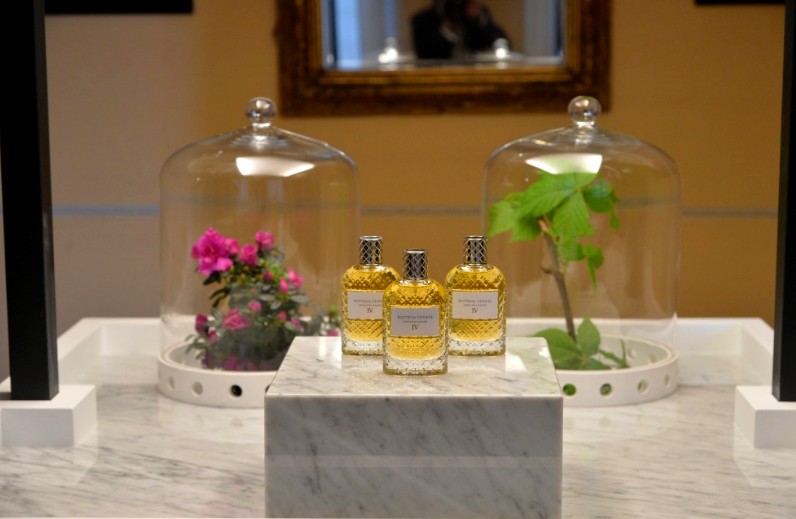
IV – With its bright, summery yellow hue, the fragrance features a unique blend of azalea and chestnut that creates a velvety and deeply feminine fragrance.

Bottega Veneta Parco Palladiano Collection launch-
V- A fresh fragrance featuring elaborate aromatic notes. The crisp green hue evokes the powerful image of a tall tree in the late afternoon sun.

Bottega Veneta Parco Palladiano Collection 2016 - rose VI
VI – Rich notes of rose are blended with woody accords to create a spicy, sumptuous and elegant scent in a delicate shade of pink.


Bvlgari introduces the new Serpenti jewellery collection

The temptation alluded to in a gaze may change the very course of history: each love story begins with that very first look. The almond-shaped eyes of a snake or the hypnotic eyes of a beautiful woman can hold a power as incomparable as it can be unconquerable. Bulgari reinterprets its first Bulgari serpent, the … Read more

Bulgari Hotels and Resorts to open in Moscow

Bulgari Hotels and Resorts to bring the luxury hospitality brand to Moscow. There will be magnificent views of the Moscow rooftops and of the Kremlin. Jean-Christophe Babin, Chief Executive Officer of Bulgari Group and Russian investor Alexey Bogachev signed an agreement to open a Bulgari Moscow hotel in 2019. The new property will stand as … Read more